
Best Dog Daycare in Austin: How to Choose the Right Fit for Your Dog
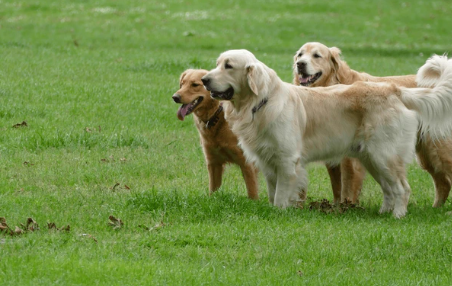
If you’re searching for the best dog daycare in Austin, you’re not alone. Austin dog owners want more than just a place to leave their dogs during the day — they want a safe, enriching environment where their pups can socialize, exercise, and thrive.
At DogCentric Society, we believe dog daycare should support your dog’s mental and physical well-being while giving pet parents peace of mind. Whether you have an energetic puppy, a social butterfly, or a dog that needs structured enrichment, choosing the right daycare can make a huge difference in your dog’s happiness and behavior.
Austin is one of the most dog-friendly cities in Texas, which means there are plenty of options available. But not all daycare programs are created equal. Here’s what to look for when selecting the right dog daycare for your furry family member.
Why Dog Daycare in Austin Is More Important Than Ever
Austin lifestyles are busy. Between work, commuting, social events, and travel, many dogs spend long hours alone at home.
Without enough stimulation, dogs can develop:
Excessive barking
Separation anxiety
Destructive chewing
Hyperactivity
Socialization problems
Weight gain
A structured dog daycare in Austin helps solve these issues by providing daily activity, routine, and interaction.
At DogCentric Society, daycare is designed around healthy pack behavior, enrichment activities, supervised play, and rest periods that keep dogs balanced throughout the day.
Learn more about our Dog Daycare Services in Austin.
What Makes a Great Dog Daycare?
Not every daycare focuses on canine behavior and enrichment. Some simply provide open play all day, which can actually overwhelm certain dogs.
Here’s what separates exceptional daycare programs from average ones.
Structured Play Groups
Dogs thrive in balanced social settings. A quality daycare carefully groups dogs based on:
Size
Energy level
Temperament
Play style
This helps prevent overstimulation and encourages healthy interactions.
At DogCentric Society, we prioritize controlled pack dynamics to ensure every dog feels safe and confident.
Mental Enrichment Activities
Physical exercise alone isn’t enough for most dogs.
Dogs need opportunities to problem solve, explore, sniff, and engage mentally.
Enrichment-based daycare may include:
Puzzle toys
Group hikes
Scent games
Obstacle courses
Structured training moments
Rotating play environments
Mental stimulation helps reduce anxiety and promotes calm behavior at home.
Proper Rest Periods
Many dog owners are surprised to learn that nonstop play can lead to stress and behavioral issues.
The best daycare programs include scheduled downtime so dogs can recharge between activities.
Balanced rest is especially important for:
Puppies
Senior dogs
High-energy breeds
Anxious dogs
A well-rested dog is a happier, healthier dog.
Benefits of Dog Daycare for Austin Dogs
Austin offers incredible outdoor opportunities for dogs, but daily daycare provides consistency that occasional walks can’t always match.
Improved Social Skills
Dogs that regularly attend daycare often become more confident and comfortable around people and other dogs.
Supervised socialization teaches dogs:
Appropriate play behavior
Communication skills
Impulse control
Confidence in new situations
This can make vet visits, grooming appointments, and public outings much easier.
Reduced Separation Anxiety
Many Austin pet parents work long hours or hybrid schedules.
Dogs left alone for extended periods may experience stress, boredom, or anxiety.
Daycare gives dogs companionship and stimulation during the day so they return home calmer and more relaxed.
Healthier Energy Outlet
Some breeds simply need more activity than a daily walk provides.
Breeds that often benefit from daycare include:
Australian Shepherds
Labradors
Golden Retrievers
Border Collies
Huskies
Doodles
Boxers
A structured daycare environment helps dogs burn energy safely and productively.
Why Austin Dogs Love Adventure-Based Daycare
Austin is filled with dog-friendly trails, parks, and outdoor spaces, making adventure daycare especially popular.
At DogCentric Society, we incorporate activities that align with dogs’ natural instincts and love for exploration.
Adventure-focused daycare can provide:
Trail walks
Outdoor pack hikes
Nature enrichment
Social exploration
Confidence-building experiences
This style of daycare keeps dogs engaged far beyond traditional indoor playrooms.
Questions to Ask Before Choosing a Dog Daycare in Austin
Before enrolling your dog, ask the daycare these important questions.
How Are Dogs Evaluated?
A quality daycare should perform temperament assessments before introducing dogs into group play.
This helps ensure a safe environment for all dogs involved.
Is Staff Trained in Dog Behavior?
Understanding canine body language is essential.
Experienced staff can identify signs of:
Stress
Fear
Overstimulation
Resource guarding
Escalating play
Behavior-focused supervision creates a safer daycare experience.
What Does the Daily Schedule Look Like?
Avoid facilities that rely on nonstop free play all day.
Look for programs that balance:
Exercise
Enrichment
Socialization
Rest
Structured routines help dogs feel secure and reduce stress.
Are Safety Protocols in Place?
Ask about:
Vaccination requirements
Cleaning procedures
Emergency protocols
Supervision ratios
Outdoor security measures
Safety should always be a top priority.
DogCentric Society’s Approach to Dog Daycare in Austin
At DogCentric Society, we believe daycare should support long-term behavioral health — not just provide temporary entertainment.
Our programs focus on:
Structured socialization
Enrichment activities
Balanced energy management
Outdoor adventures
Pack stability
Positive experiences
We also offer convenient pickup and drop-off transportation for busy Austin pet parents.
Whether your dog loves hiking, group play, or simply having companionship during the day, our daycare programs are designed to create a fulfilling experience tailored to your dog’s needs.
Explore our full Dog Daycare Austin Services to learn more about enrichment-based care and structured activities.
Ready to schedule your dog’s first visit?
Contact DogCentric Society today to get started.
You can also explore our favorite Austin dog recommendations here:
How Often Should Dogs Attend Daycare?
Every dog is different.
Some dogs thrive with daycare 1–2 times per week, while highly social or energetic dogs may benefit from more frequent visits.
Factors to consider include:
Age
Breed
Energy level
Social personality
Home schedule
Training goals
A good daycare provider can help you determine the ideal schedule for your dog.
Final Thoughts on Finding the Right Dog Daycare in Austin
Choosing the right dog daycare in Austin is about more than convenience. The right environment can improve your dog’s confidence, social skills, behavior, and overall quality of life.
Look for a daycare that prioritizes enrichment, structure, safety, and individualized care.
At DogCentric Society, we’re proud to provide Austin dogs with engaging daycare experiences built around healthy socialization and adventure-based enrichment.
Because dogs deserve more than just supervision — they deserve fulfillment.
FAQs
What age can puppies start daycare?
Most puppies can begin daycare after completing their core vaccinations. Many dogs benefit from early socialization and structured interaction.
Is dog daycare good for anxious dogs?
Yes, when properly managed. Structured daycare with trained staff can help anxious dogs build confidence and positive social experiences.
How long should dogs stay at daycare?
Some dogs benefit from half days while others enjoy full-day participation. The ideal schedule depends on your dog’s energy and personality.
What should I bring to dog daycare?
Most daycares require proof of vaccinations and emergency contact information. Some may also allow personal items or meals if needed.
Does daycare help with destructive behavior?
Often, yes. Dogs that receive adequate mental and physical stimulation are less likely to develop boredom-related behaviors at home.

Comments